Foxconn Posted Its First Trillion-Taiwan-Dollar Month and a 47% Jump in Q3 Revenue, Nvidia Hit a Record Alongside the Nasdaq on Monday, and the Market Says "the Supply Chain Just Confirmed AI Demand" — But Foxconn's Ledger and Nvidia's Ledger Count the Same Rack: Two Counts Are Not Two Pieces of Evidence!
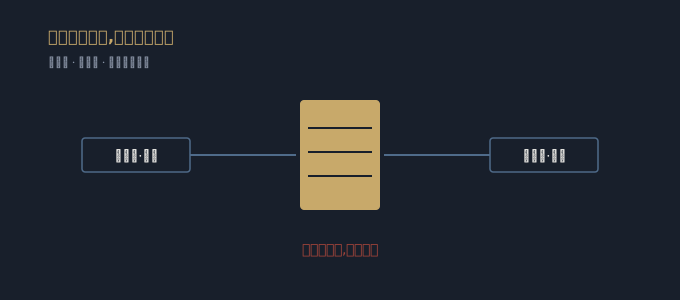
Numbers that “confirm” each other along one supply chain are not two pieces of evidence. They are one piece of evidence, counted twice.
On Monday, October 5 (US Eastern), the market got a handsome report card. Foxconn, Nvidia’s largest server assembler, reported third-quarter revenue of about NT$3.03 trillion, roughly US$95 billion and up 47% from a year earlier. September alone came in at NT$1.16 trillion, the first month ever above the trillion mark, and ahead of analyst estimates. That same day the Nasdaq rose about 1% to a record close and Nvidia gained about 2% to a new high. The popular reading formed on cue: even the people at the bottom of the chain are counting cash, so AI demand is real, and this time it isn’t a bubble.
That story rests on a premise nobody takes apart: that Foxconn’s record is evidence independent of Nvidia’s record. It isn’t.
Lay the chain out in a row. Cloud providers place orders, Nvidia sells chips, Foxconn builds them into racks and ships them out the factory door. Three links, three ledgers, but the ledgers are tracking the same rack. Nvidia books revenue the moment a chip is sold; Foxconn books revenue the moment a rack leaves the factory. Both are “shipments,” just counted from different positions along the same flow of goods. When Foxconn’s number rises, that first tells you Nvidia’s number is rising too. Using one to “confirm” the other is using your left hand to prove your right hand is moving.
This is not a claim that AI demand is fake. It is a claim about what this kind of number can answer. It tells you how much was shipped; it does not tell you how much was used. Assemblers run on thin margins, and a large share of their revenue is simply the price of the chips and parts inside the rack, so a bigger number often just means more boxes. In that sense every record along the chain is the same answer to the same question.
Run it both ways and you get a mirror. When orders are flowing: ① downstream places an extra order as a hedge against shortage, ② the middle of the chain posts record shipments, ③ the top of the chain posts record results, ④ the rising stock price makes downstream even less willing to under-order — orders manufacturing orders. That is the bullwhip effect: a small wobble at the end customer is amplified link by link. When orders slow: ①′ downstream finds its inventory is sufficient and cuts an order, ②′ the middle’s shipments turn first, ③′ the top’s record becomes an inflection, ④′ falling prices make everyone want to destock faster — orders destroying orders. It is one loop, and the reflexivity hides in the step where shipments get mistaken for demand.
So the real question isn’t about Foxconn at all. It is at the other end of the chain: who is paying for what the racks produce? How much compute the cloud providers actually sell, and how much cost the enterprise customers actually save or earn with it — that is evidence no single rack gets counted into twice. Records in the middle of the chain show orders passing downstream; they cannot show whether anyone is at the end to catch them.
None of this is a buy or sell call. Nvidia and the Nasdaq printing records together on Monday may well be right. The one thing that can be said is narrower: using “Foxconn hit a record” to prove “Nvidia deserves a record” is handing in the same answer sheet twice.
At bottom, a system is most fragile at the moment it starts using its own echo to prove its own voice.
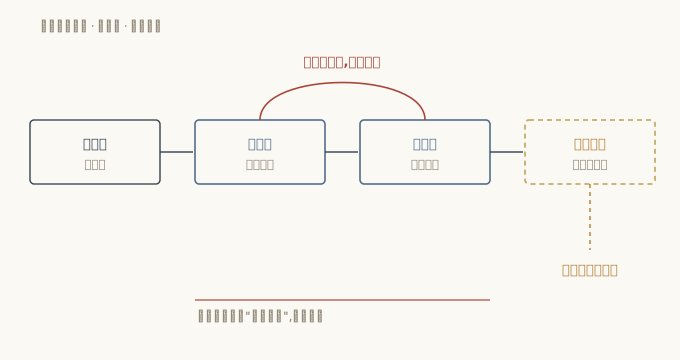
Echoes along a supply chain cannot prove demand; only the last one who pays can.
SECURE PAYMENT VIA STRIPE
Subscribe: $50 annual pass unlocks every paid article on this site for one year
Go deeper: Ko-fi members get a weekly members-only deep dive, from $3/month Become a member →